For many, the morning ritual of a perfectly brewed coffee is sacrosanct. Nespresso has transformed this ritual, offering convenience and quality in a compact, elegant package. But as discerning consumers, we often pause to consider the cost beyond the price tag. The question of Nespresso Sustainability: Pod Recycling and Environmental Impact is no longer a niche concern; it's central to how we view our daily caffeine fix. Is that little aluminum capsule a marvel of modern convenience or a significant environmental burden? This comprehensive guide dives deep into Nespresso's efforts, the challenges they face, and what you, the consumer, can do to make a difference.
At a Glance: Navigating Nespresso's Green Footprint
Before we unravel the complexities, here's a quick overview of what you need to know about Nespresso's environmental efforts:
- The Pod's Makeup: Primarily aluminum, a highly recyclable material, but also includes plastic components and coffee grounds.
- The Problem: Mining and refining aluminum are energy-intensive; plastic contributes to lasting pollution; coffee cultivation can lead to deforestation.
- Nespresso's Solution: A dedicated, free recycling program that collects used pods for material separation and reuse.
- Recycling Process: Coffee grounds are composted, while aluminum and plastic are melted down for new products.
- Key Challenges: Low consumer participation, limited infrastructure for collection, and the fact that most municipal recycling centers can't process the pods.
- Beyond Pods: Nespresso also invests in sustainable coffee sourcing, energy-efficient operations, and renewable energy.
- Your Power: Actively recycling, exploring reusable pods, or choosing traditional brewing methods significantly reduces your impact.
The Double-Edged Pod: Convenience vs. Conscience
Nespresso pods represent a pinnacle of convenience. A perfect espresso at the touch of a button, minimal mess, consistent quality. This ease, however, comes with an inherent environmental tension. Each pod is a single-use item, designed for a singular purpose before being discarded. Understanding the lifecycle of these pods is the first step toward appreciating their full environmental story.
Anatomy of a Nespresso Pod: More Than Just Coffee
Most Nespresso pods are crafted mainly from aluminum, a material chosen for its ability to preserve freshness and its barrier properties. Some variations also include plastic components, typically polypropylene, and a small, biodegradable paper filter. Inside, of course, are the finely ground coffee beans.
While aluminum is lauded as "infinitely recyclable," meaning it can be melted down and reformed repeatedly without losing quality, its journey from earth to espresso machine isn't without significant impact. The mining of bauxite (aluminum ore) and its subsequent refining into aluminum is notoriously energy-intensive. This process demands substantial amounts of electricity, often generated from fossil fuels, leading to considerable carbon emissions. Beyond emissions, mining can cause environmental degradation, habitat destruction, and water pollution in affected regions.
The plastic elements, though smaller, present their own challenges. Polypropylene, like most plastics, is derived from fossil fuels and, if not recycled properly, can persist in landfills or oceans for hundreds of years, breaking down into microplastics that harm wildlife and ecosystems.
The Energy Behind Your Brew: Manufacturing and Agriculture
The environmental footprint of a Nespresso pod extends far beyond just its material composition. The entire manufacturing process, from forming the aluminum shell to filling and sealing the pods, is energy-intensive. This energy consumption directly contributes to greenhouse gas (GHG) emissions. Moreover, significant water and other natural resources are consumed during production.
Then there's the coffee itself. The global demand for coffee, including the premium beans used in Nespresso pods, puts immense pressure on agricultural lands. If not managed sustainably, coffee farming can lead to widespread deforestation, particularly in biodiverse regions, destroying critical habitats and reducing carbon sequestration capacity. The use of pesticides and fertilizers in conventional farming can also degrade soil quality and contaminate water sources.
In essence, every Nespresso pod carries a story of resource extraction, energy consumption, and potential pollution, making its end-of-life management critically important.
Nespresso's Path Forward: A Dedicated Recycling Program
Recognizing the environmental implications of its product, Nespresso has invested heavily in a specialized recycling program. This isn't just a corporate talking point; it's a significant logistical undertaking designed to mitigate the linear "take-make-dispose" model.
How Nespresso Recycling Works
Nespresso's program offers several avenues for customers to return their used capsules:
- Collection Points: Customers can drop off used capsules at Nespresso Boutiques, select partner stores, or designated collection points.
- Mail-Back Program: Many regions offer a convenient mail-back option, providing pre-paid recycling bags that customers can fill and send back via postal services.
- Door-to-Door Collection: In some urban areas, Nespresso even offers a collection service directly from your home when delivering new orders.
Once collected, these used capsules embark on a specialized journey. Unlike conventional curbside recycling, which typically can't handle small, multi-material items like coffee pods, Nespresso's system is tailored to its product. The capsules are transported to dedicated processing facilities where they undergo a mechanical separation process. The goal is to efficiently separate the coffee grounds from the aluminum and plastic components.
What Happens to the Materials? A Second Life
The separated materials don't just disappear; they're given a new purpose:
- Coffee Grounds: These precious organic materials are not wasted. They are typically composted and transformed into nutrient-rich fertilizer for agricultural use or converted into biogas, a renewable energy source. This closes the loop on the organic waste, returning valuable nutrients to the soil or generating clean energy.
- Aluminum: The aluminum shells are cleaned, melted down, and then reused. This recycled aluminum finds its way into a variety of new products, from bicycle frames and car parts to computer components and even new Nespresso capsules. Recycling aluminum uses significantly less energy—up to 95% less—than producing virgin aluminum, dramatically reducing carbon emissions and the need for new mining.
- Plastic: The plastic components are also separated, melted, and repurposed into other plastic products, reducing the demand for new plastic production.
By facilitating this closed-loop system, Nespresso aims to reduce the amount of waste ending up in landfills, conserve valuable natural resources, and significantly lower its overall carbon footprint associated with capsule production. It's a tangible effort to make the convenience of single-serve coffee more sustainable.
The Roadblocks to a Greener Cup: Why Recycling Isn't Always Easy
Despite Nespresso's robust recycling program, the reality is that a significant portion of pods still don't make it back into the system. Several challenges impede widespread consumer participation and overall program effectiveness.
Convenience vs. Commitment
Perhaps the biggest hurdle is consumer convenience. While Nespresso has made strides in providing easy return options, collecting used pods, rinsing them (though not always strictly necessary, it helps), and then remembering to drop them off or mail them back adds an extra step to a routine designed for simplicity. For many, the mental friction of this extra effort outweighs the environmental motivation, leading to used pods simply being tossed in the trash. A lack of awareness about the program's existence or how to participate also plays a role.
Infrastructure Gaps
While Nespresso has established collection points in many urban and suburban areas, coverage can be inconsistent, especially in rural regions or countries with less developed infrastructure. This creates accessibility issues for some customers, making active participation impractical.
The Municipal Mismatch
Crucially, most local municipal recycling programs are not equipped to process Nespresso pods. Their specialized sorting machinery is designed for larger, single-material items and struggles with small, multi-material capsules. Attempting to recycle Nespresso pods through curbside collection can actually contaminate recycling streams, leading to more waste rather than less. This fundamental incompatibility underscores why Nespresso's dedicated, specialized program is necessary, but also highlights a critical point of confusion for consumers.
Beyond the Pod: Nespresso's Broader Eco-Efforts
Nespresso's sustainability strategy isn't confined solely to pod recycling. The company has undertaken several initiatives to address environmental concerns across its entire value chain.
Cultivating a Sustainable Coffee Future
At the heart of every Nespresso pod is coffee, and the brand recognizes the profound impact of agricultural practices. Through its AAA Sustainable Quality™ Program, Nespresso works directly with over 120,000 farmers in 15 countries. This program focuses on:
- Sustainable Sourcing: Promoting shade-grown coffee, which preserves forest ecosystems and biodiversity, and encouraging organic farming practices that avoid harmful pesticides and synthetic fertilizers.
- Fair Trade Principles: Ensuring fair prices for farmers and supporting local communities, fostering long-term economic stability and environmental stewardship.
- Climate Resilience: Helping farmers adapt to climate change through training and resources, safeguarding future coffee supplies.
These efforts aim to reduce deforestation, enhance soil health, protect water sources, and ensure the well-being of coffee-growing communities.
Powering Up Green: Energy Efficiency and Renewables
The energy demands of manufacturing and operations are another key focus. Nespresso has invested in:
- Energy-Efficient Machines: Developing coffee machines that consume less power.
- Optimized Manufacturing: Implementing energy-saving technologies and processes in its production facilities.
- Renewable Energy: Sourcing renewable energy, such as solar and wind power, to reduce greenhouse gas emissions associated with its operations. The goal is to power its facilities entirely with renewable energy sources where feasible.
By tackling environmental impact at multiple points – from farm to cup to recycling – Nespresso aims to present a more holistic approach to sustainability.
Nespresso vs. The World: A Broader Environmental Perspective
While Nespresso's efforts are commendable, it's important to view its sustainability claims within the wider context of coffee consumption and environmental impact. Comparing Nespresso to other brewing methods often sparks lively debate among coffee enthusiasts and environmental advocates alike.
The Single-Use Dilemma: A Comparison to Traditional Brewing
The core criticism against Nespresso and other single-serve coffee systems is the generation of single-use waste. Traditional brewing methods, such as drip coffee makers, French presses, or pour-overs, typically involve bulk coffee grounds and reusable filters (or compostable paper filters), generating significantly less waste per cup. While these methods have their own environmental considerations (e.g., energy consumption for brewing, water usage), the absence of a disposable, non-biodegradable capsule shifts the waste equation dramatically.
Furthermore, the sheer convenience offered by Nespresso can inadvertently lead to overconsumption. The ease of making multiple cups without much thought can add up to a higher number of pods used daily, magnifying the potential environmental footprint.
Many dedicated coffee enthusiasts advocate not just for minimal waste but also for greater transparency in ethical sourcing. They often express concerns that the convenience of single-serve options might distance consumers from the true origins and impact of their coffee.
The "Greenwashing" Question: Scrutiny and Skepticism
The term "greenwashing" often arises in discussions about corporate sustainability. It refers to the practice of making unsubstantiated or misleading claims about the environmental benefits of a product, service, or company. Critics suggest that Nespresso's significant marketing of its recycling program and sustainability initiatives may, in some eyes, overshadow the inherent environmental challenges of its core product – a single-use capsule.
While Nespresso has made genuine commitments and investments in sustainability, the sheer volume of single-use pods produced globally means that even a highly effective recycling program faces an uphill battle to fully offset the product's lifecycle impact. This leads many consumers to scrutinize corporate responsibility, asking whether a product designed for disposability can ever truly be sustainable, regardless of recycling efforts.
Ultimately, deciding if Nespresso aligns with your personal sustainability values involves weighing convenience, taste, and the company's efforts against the broader environmental context of single-use products. If you're pondering Should you buy Nespresso?, this comprehensive view of its environmental impact is a crucial piece of the puzzle.
Your Role in a Sustainable Nespresso Habit
The good news is that as a consumer, you hold significant power to influence the environmental impact of your coffee choices. If Nespresso remains your preferred brew, there are concrete steps you can take to minimize your footprint.
Master the Art of Nespresso Recycling
Active participation in Nespresso's recycling program is the single most impactful action you can take. It’s more than just buying the pods; it’s closing the loop.
- Collect Diligently: Keep a dedicated container for used pods in your kitchen. Nespresso often provides free recycling bags or containers.
- No Need to Rinse (Usually): While a quick rinse might seem helpful, Nespresso's processing facilities are designed to handle residual coffee grounds. The important part is returning the pods.
- Return Regularly: Make returning your filled recycling bag a part of your routine. Drop it off at a Nespresso Boutique, a partner collection point, or use the convenient mail-back service. The more pods that are recycled, the more effective the program becomes.
Remember, simply tossing a Nespresso pod into your regular curbside recycling bin is generally ineffective and can even contaminate the recycling stream, so stick to Nespresso's dedicated program.
Explore Alternative Brewing Paths
For those seeking to further reduce their environmental impact, several alternatives exist, ranging from slightly different capsule choices to entirely different brewing methods:
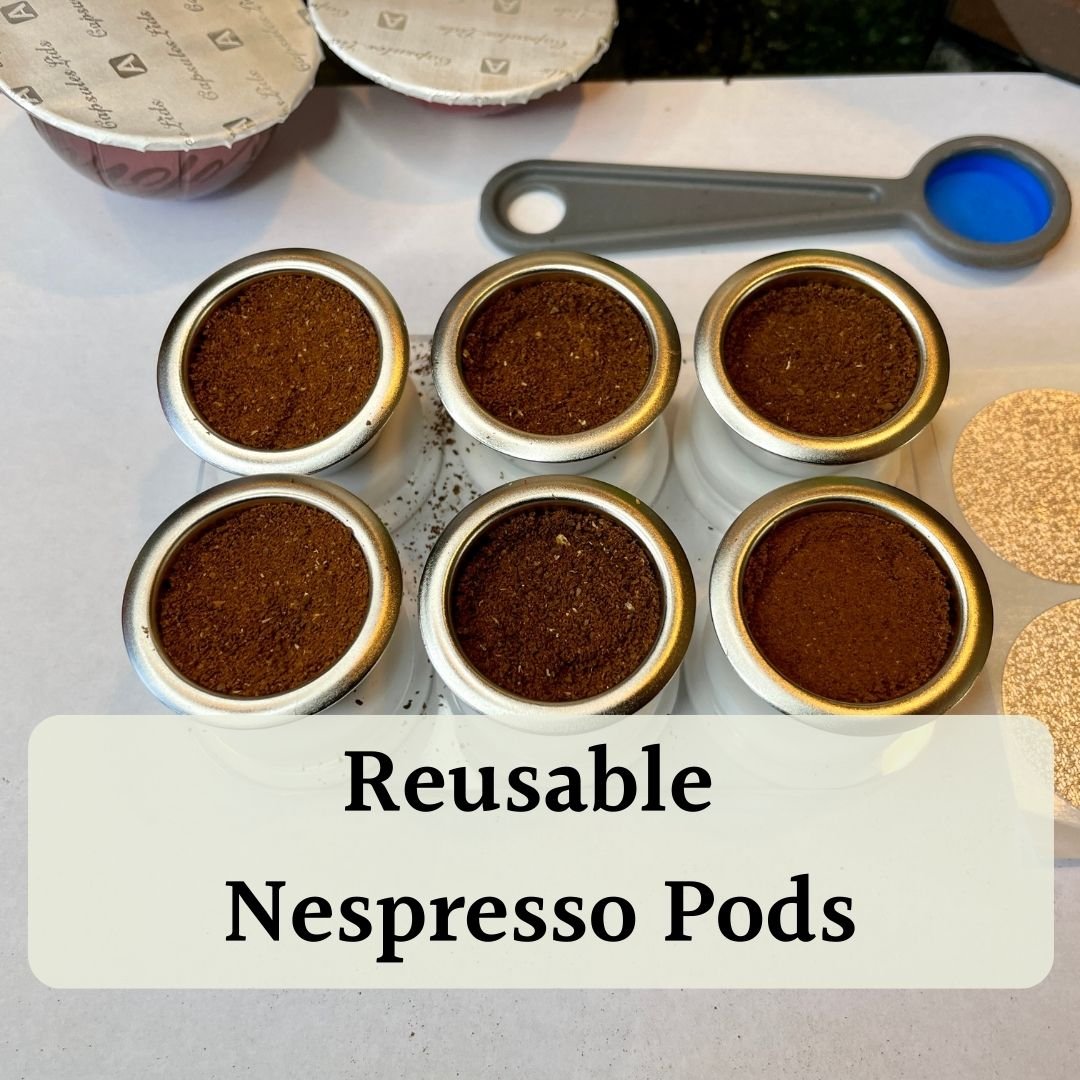
- Reusable Coffee Pods: A popular and highly effective option is to invest in reusable stainless steel or silicone capsules. These can be filled with your preferred ground coffee, used in your Nespresso machine, and then simply cleaned and refilled. This dramatically reduces waste, allowing you to enjoy the convenience of the machine without the single-use guilt. It also offers the freedom to choose any coffee you like.
- Biodegradable/Compostable Capsules: A growing number of third-party brands now offer capsules designed to be biodegradable or industrially compostable. While these are a step up from traditional aluminum/plastic, it's crucial to check local composting facilities' acceptance criteria, as "compostable" claims don't always translate to home compostability or acceptance by municipal systems. Research specific brands and their certifications.
- Traditional Brewing Methods: For the most significant reduction in single-use waste, returning to traditional brewing methods like a French press, pour-over, or a standard drip coffee maker with a reusable filter is the gold standard. These methods embrace bulk coffee, allowing for precise control over sourcing and minimal waste.
Each choice carries its own set of trade-offs, but being informed empowers you to align your coffee consumption with your environmental values.
The Brew Ahead: Innovations and the Future of Sustainable Coffee
The coffee industry is not static, and the demand for more sustainable practices is a powerful driver of innovation. Both industry commitment and evolving consumer expectations are pushing the boundaries of what's possible.
We're seeing continued advancements in:
- Biodegradable Capsules: Expect to see more robust and truly compostable capsule technologies emerge, potentially solving the end-of-life problem at scale. The challenge lies in ensuring these materials perform well under pressure in machines and genuinely break down in diverse composting environments.
- Sustainable Packaging: Beyond the pods themselves, companies are exploring more eco-friendly packaging for coffee beans, aiming to reduce plastic and increase the use of recycled and recyclable materials across the entire product line.
- Circular Economy Models: The broader trend towards a circular economy, where waste is minimized and resources are kept in use for as long as possible, will likely influence Nespresso and other coffee brands. This could mean more advanced recycling, innovative reuse schemes, or even new service models.
As consumers, our continued demand for eco-friendly choices sends a clear message to the industry. By supporting brands that prioritize sustainability and by actively participating in responsible consumption, we help accelerate the transition towards a greener coffee future.
Addressing Common Concerns: Quick Answers
Let's clear up some common questions and misconceptions surrounding Nespresso's environmental efforts.
Are Nespresso pods truly recyclable, or is it just marketing?
Nespresso pods are indeed recyclable, but only through Nespresso's dedicated program. They are generally not accepted by standard municipal curbside recycling because of their small size and the need to separate coffee grounds from the aluminum. Nespresso's system is specialized for this.
Is recycling aluminum really better, given its energy-intensive production?
Yes, absolutely. While producing virgin aluminum is very energy-intensive, recycling aluminum uses up to 95% less energy than making it from raw materials. This drastically reduces greenhouse gas emissions and the need for new mining. The key is to ensure the aluminum actually gets recycled.
What about the energy used to transport and process recycled pods?
While there's an energy cost associated with collection and processing, Nespresso argues that this is significantly offset by the energy savings of recycling aluminum over producing new aluminum, along with the composting of coffee grounds. The net environmental benefit of the recycling program outweighs the impact of transport and processing.
Is any single-serve coffee truly sustainable?
This is a complex question with no easy "yes" or "no." From a pure waste perspective, traditional brewing methods that use bulk coffee and reusable filters are generally more sustainable. However, with robust recycling programs, sustainable sourcing, and energy-efficient operations, some single-serve systems are working towards minimizing their impact. "Truly sustainable" often depends on individual definitions and what aspects (waste, emissions, water, social impact) are prioritized. For many, the focus is on reducing impact rather than achieving perfect sustainability.
Brewing a Brighter Future: Your Informed Choice
The journey to a more sustainable cup of coffee is an ongoing one, filled with innovation, challenges, and individual responsibility. Nespresso, with its blend of convenience and conscious efforts, sits at a fascinating intersection of this conversation.
You now understand the intricate environmental impacts associated with Nespresso pods, from the energy-intensive mining of aluminum to the agricultural footprint of coffee cultivation. You're also aware of Nespresso's comprehensive recycling program, its broader sustainability initiatives, and the critical role you play in closing the loop.
Your coffee ritual can be a powerful statement. Whether you choose to rigorously participate in Nespresso's recycling program, explore the world of reusable pods, or embrace traditional brewing methods, making an informed decision is the most potent step toward a future where your daily brew tastes good, and you feel good about its impact.